You remembered your gloves. Your water bottle is still sitting on the kitchen counter.
It’s an easy mistake when you’re heading out on a cold morning. You may not feel thirsty, and drinking water doesn’t seem as urgent as it does during a summer hike. But your body still loses fluid in winter, especially when you’re active.
Yes, you can become dehydrated in cold weather. Winter hydration matters whether you’re skiing above Park City or heading out for a brisk walk in the Heber Valley. At Wasatch Optimal Wellness, we encourage people to start with a simple habit: make drinking fluids part of the day before thirst has to remind you.
Why dehydration in winter can sneak up on you
You may not feel as thirsty
Cold exposure can make thirst less noticeable, even when your body needs fluid. You also lose the familiar reminder of feeling hot.
That doesn’t mean you need to force yourself to drink constantly. It means keeping water available and making time to drink, rather than assuming a lack of thirst tells the whole story.
Your layers can hide how much you’re sweating
A cold face doesn’t mean the rest of your body isn’t working hard. Climbing uphill in insulated clothing can leave your base layer damp before you notice.
Sweat still counts as fluid loss when it’s trapped under a jacket. Adjust your layers as your effort changes so you can stay warm without overheating.
Mountain air adds another challenge
Your body uses moisture to humidify the air you breathe. Dry air increases that moisture loss, and breathing harder during exercise can add to it.
At higher elevations, breathing and urine output can change as your body adjusts. Those changes make hydration worth paying attention to, particularly if you’ve just arrived from a lower elevation.
Travel and après-ski can interrupt your routine
A travel day may mean fewer chances to refill a bottle. Once you arrive, it’s easy to head straight for the mountain without stopping for a meal and something to drink.
Alcohol can also increase urine output. A drink after skiing doesn’t replace the fluids you missed during the day. If you’re newly arriving at high altitude, CDC guidance recommends avoiding alcohol for the first 48 hours.
A practical winter hydration plan
For most healthy people who can drink normally, oral fluids are the first step. Staying hydrated in winter usually comes down to making drinks easy to reach and remembering them throughout the day.
Start before you head outside
Have water with breakfast instead of trying to catch up at lunch. Eat a normal meal, too. Food contributes fluid and helps provide the fuel you’ll need for activity.
If ice-cold water is unappealing, try warm water or a comfortably warm herbal tea. An insulated bottle can make drinking on a cold day more inviting.
Make hydration for skiing part of your breaks
Don’t leave all your water in the car if you’ll be on the mountain for hours. Carry an accessible bottle or know where you can stop for a refill. In freezing conditions, protect hydration-pack tubing from the cold so it remains usable.
Use this checklist before your next ski day:
- Drink with breakfast before leaving.
- Carry fluids or identify reliable refill stops.
- Use short breaks to check whether you need a drink.
- Have fluids with lunch and eat enough to support the afternoon.
- Keep drinking normally after you finish.
A break every 20 to 30 minutes can be a useful reminder to check in. It isn’t a rule to finish a fixed amount each time. Drink according to your needs and comfort, and respond when you feel thirsty.
Match your fluids to the effort
There isn’t one drinking target that fits every skier. A relaxed morning with frequent lodge breaks is different from several hours of uphill touring.
Winter exercise hydration needs depend on how long you’re active and how much you sweat. Your body size and the conditions matter as well.
Avoid trying to “get ahead” by drinking large amounts all at once. Over drinking during prolonged exercise can dangerously lower blood sodium. The goal is to replace your losses, not to drink as much as possible.
Know when electrolytes may help
Water and regular meals are often enough for shorter activities. For a long outing with substantial sweating, a drink containing electrolytes may help replace sodium losses. A sports drink can also provide carbohydrate for sustained activity.
You don’t need an electrolyte product for every walk or workout. After a sweaty session, water alongside a normal meal may be sufficient.
If your clinician has prescribed a fluid restriction, follow that plan rather than general exercise advice.
Signs you may be falling behind on fluids
Possible signs include:
- Urine that is darker than usual.
- Urinating less often than you normally do.
- A dry mouth.
- A headache or lightheadedness.
- Unusual fatigue.
These clues are worth noticing together. Urine color can be a useful rough guide, but it isn’t a diagnosis, and some supplements or medications can change it.
For mild symptoms, stop exercising and rest somewhere safe. Take small, comfortable sips if you can drink normally. If symptoms persist or worsen, seek medical advice.
Don’t assume a mountain headache is just dehydration
A headache after arriving at altitude can overlap with dehydration symptoms. It can also be a sign of altitude illness, particularly when accompanied by nausea or unusual fatigue.
Drinking extra water does not prevent or treat altitude illness. Allow time to adjust, ease into activity, and don’t continue to a higher elevation if symptoms develop.
Seek prompt medical evaluation if you cannot keep fluids down or have persistent dizziness when standing. Very little urine or a rapid heartbeat also deserves attention.
Call 911 for confusion, fainting, severe difficulty breathing, or difficulty waking someone. On the mountain, contact ski patrol immediately. Don’t wait for a wellness appointment when symptoms could indicate a serious problem.
Where clinician-supervised hydration support fits
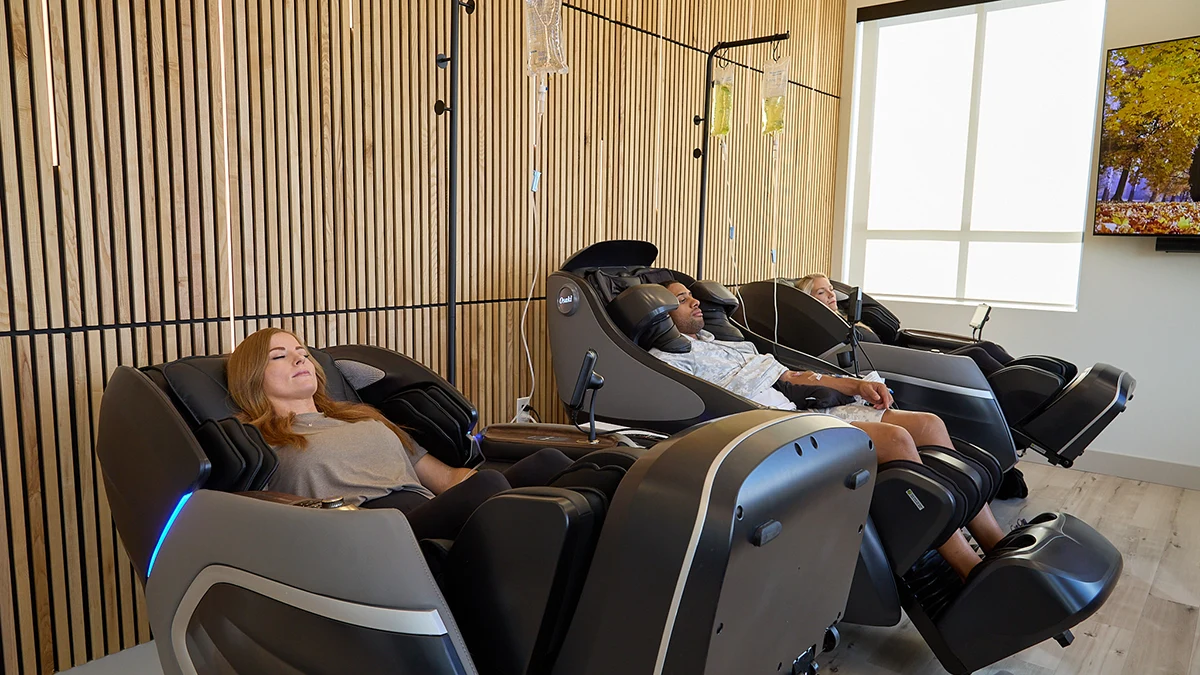
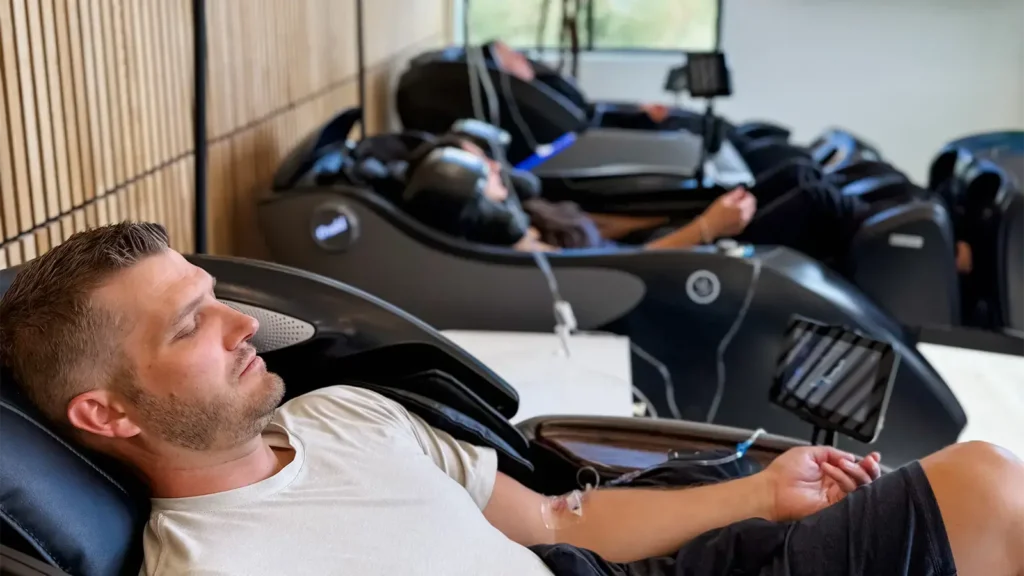
At WOW, we offer IV hydration for appropriate clients following a provider review. Our clinical team considers your health history and current symptoms before determining whether treatment makes sense. Mobile IV Therapy is also available within our current service area.
IV therapy isn’t routinely necessary after skiing or exercise. It doesn’t replace drinking water, and concerning symptoms need medical evaluation.
Our Heber City clinic serves the Wasatch Back. You can find local information for your community here:
Have questions about whether hydration support is appropriate for you? Ask the WOW Team to help you discuss the next step.
Winter hydration FAQs
Can you become dehydrated when it is cold outside?
Yes. You still lose water through breathing and urination, and exercise adds sweat losses. Cold weather can make those losses easier to overlook.
Why don’t I feel as thirsty during winter?
Cold exposure can reduce the sensation of thirst. You may also be less likely to think about drinking when you don’t feel hot. Keep fluids accessible and use breaks as reminders to check in.
Does altitude affect hydration?
It can. Dry air and changes in breathing or urine output can affect fluid losses. Hydration supports normal body function, but extra water is not a substitute for acclimatization or treatment for altitude illness.
How much should I drink while skiing?
There is no single amount for everyone. Start the day normally hydrated and take regular opportunities to drink. Adjust to your effort and sweat losses without forcing large volumes. For long or demanding outings, a sports medicine professional can help you develop an individual plan.
When should dehydration symptoms be medically evaluated?
Seek prompt care for persistent dizziness, very little urine, or an inability to keep fluids down. Confusion or severe breathing difficulty requires emergency help. Symptoms after an ascent may reflect altitude illness rather than dehydration alone.